How Regulatory Benchmarks Shape Bonus Structures Linking Bingo Rounds to Slot Features in UK Digital Gaming
Written by Paul Carter · Oct 8, 2026
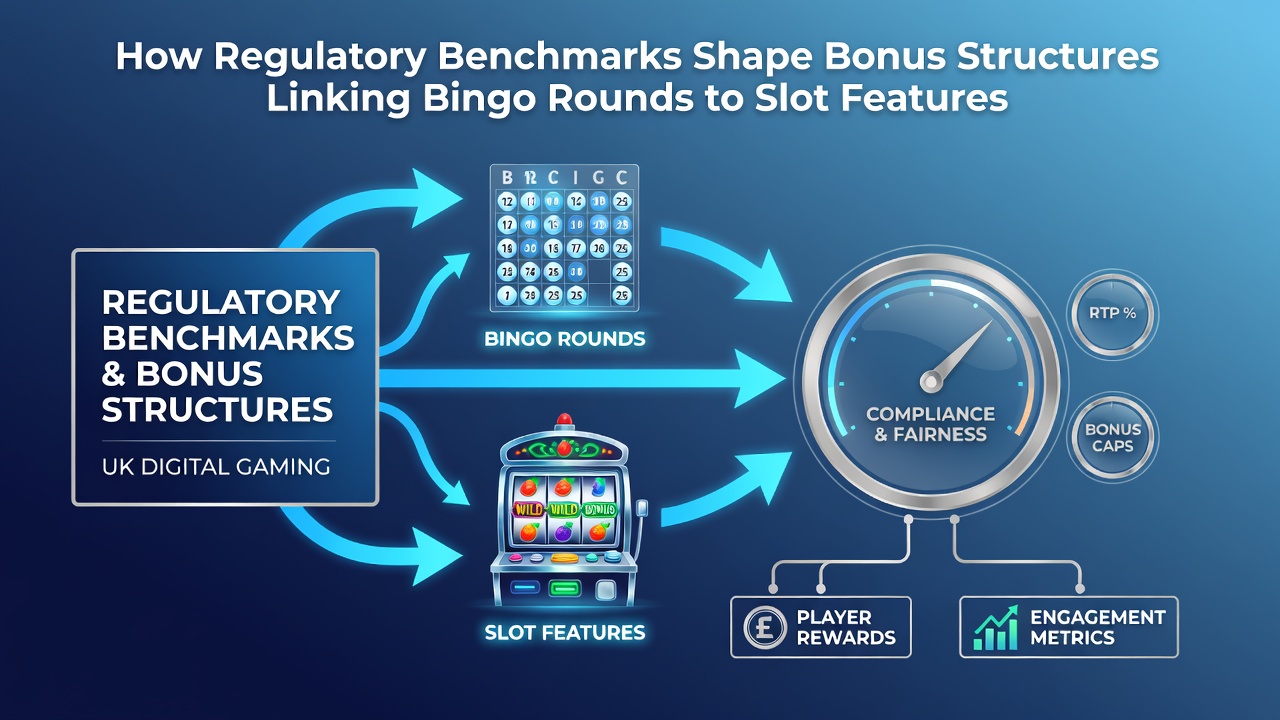
How Regulatory Benchmarks Shape Bonus Structures Linking Bingo Rounds to Slot Features in UK Digital Gaming
Regulatory benchmarks in the United Kingdom digital gaming sector establish clear parameters that operators must follow when designing bonus structures, and these rules directly influence how bingo rounds connect to slot features through shared prize mechanics and loyalty integrations. Data from industry reports indicate that such frameworks require transparency in bonus allocation, which means operators often link bingo session outcomes to slot reel multipliers to meet compliance thresholds without exceeding spending limits.
Understanding the Core Regulatory Parameters
Standards set by various oversight bodies emphasize player protection and fair play, which in turn guide the creation of hybrid gaming sessions where bingo calls trigger slot bonuses or vice versa. Researchers have noted that these benchmarks typically cap bonus values based on average session lengths, so developers adjust the frequency of cross-game features to align with those caps while maintaining engagement across both formats. In October 2026 certain reporting requirements expanded to cover real-time tracking of these linked promotions, requiring platforms to log every transition between bingo rounds and slot spins for audit purposes.
Operators respond by building modular bonus systems that activate only when specific regulatory criteria are satisfied, such as minimum participation thresholds in bingo games before slot features unlock. This approach ensures that promotional offers remain within approved ranges yet still create seamless experiences that move players from one game type to another without separate deposits or approvals.
Mechanics of Bonus Integration Between Bingo and Slots
Bonus structures frequently use progressive pools that accumulate from both bingo ticket sales and slot wagers, with regulatory benchmarks dictating the percentage split and release conditions. Observers have documented cases where a completed bingo line awards free spins on linked slot titles, and the value of those spins scales according to predefined fairness metrics rather than operator discretion. These connections rely on algorithmic triggers that monitor player activity across sessions to prevent any single feature from dominating the overall bonus distribution.
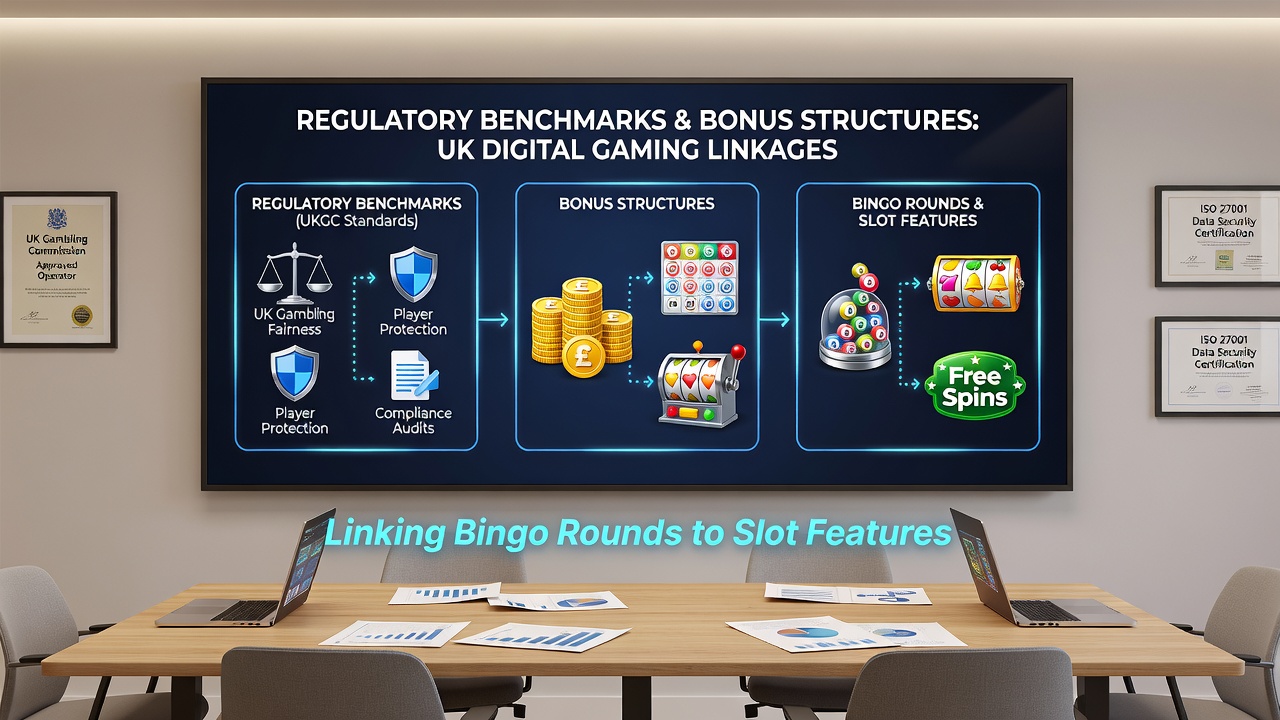
Technical implementations often include randomized allocation tables that draw from combined data sets, ensuring that the probability of moving from a bingo round to a slot feature stays consistent with published return-to-player figures. Studies conducted by academic institutions reveal that such tables help operators demonstrate compliance during periodic reviews while still offering players varied pathways to larger rewards.
Data Patterns and Industry Responses
Figures compiled by the European Gaming and Betting Association show steady growth in hybrid game participation across regulated markets, with bonus linkage serving as a primary driver. Platforms incorporate loyalty tier data to determine eligibility for cross-game bonuses, which means higher-tier players receive more frequent transitions between bingo rounds and slot features without violating maximum bonus thresholds.
Developers adjust reel behaviors and bingo call sequences based on aggregated usage statistics so that regulatory benchmarks on session duration and spend are consistently met. This data-driven refinement allows operators to maintain promotional appeal while documenting every adjustment for external verification processes.
Future Adjustments and Compliance Strategies
Industry organizations continue to refine guidelines around linked promotions, and operators prepare by testing new bonus configurations in controlled environments before wider release. Reports from research groups such as those affiliated with the International Gaming Standards Association highlight how modular software updates enable quick alignment with evolving benchmarks without disrupting existing player flows.
Those who analyze platform performance note that successful implementations balance the frequency of bingo-to-slot transitions against overall compliance metrics, creating systems that scale rewards proportionally to verified activity levels. This method supports sustained operations across multiple game formats while satisfying the detailed record-keeping demands now standard in the sector.
Conclusion
Regulatory benchmarks continue to define the boundaries within which bonus structures operate, particularly when linking bingo rounds to slot features in UK digital gaming environments. Operators rely on precise data tracking and modular design to meet these requirements while delivering connected experiences that players recognize as fair and transparent. The ongoing evolution of these frameworks ensures that hybrid mechanics remain adaptable to new standards without compromising the integrity of either game type.