Exploring Interlinked Prize Pools Across UK Digital Bingo Rounds and Reel Spins via Loyalty Tier Data
Written by Zara Fischer · Sep 23, 2026
Exploring Interlinked Prize Pools Across UK Digital Bingo Rounds and Reel Spins via Loyalty Tier Data
UK digital platforms integrate bingo rounds with reel spin mechanics through shared prize pool mechanisms that draw directly from loyalty tier data, and this integration has expanded steadily since the early 2020s. Loyalty programs track player activity across both game types, allocating contributions to central pools that fund prizes in bingo sessions and slot outcomes simultaneously. Data from these tiers reveals patterns where higher loyalty levels correlate with increased pool contributions from combined bingo calls and reel sequences.
Loyalty Tier Structures and Their Role in Pool Allocation
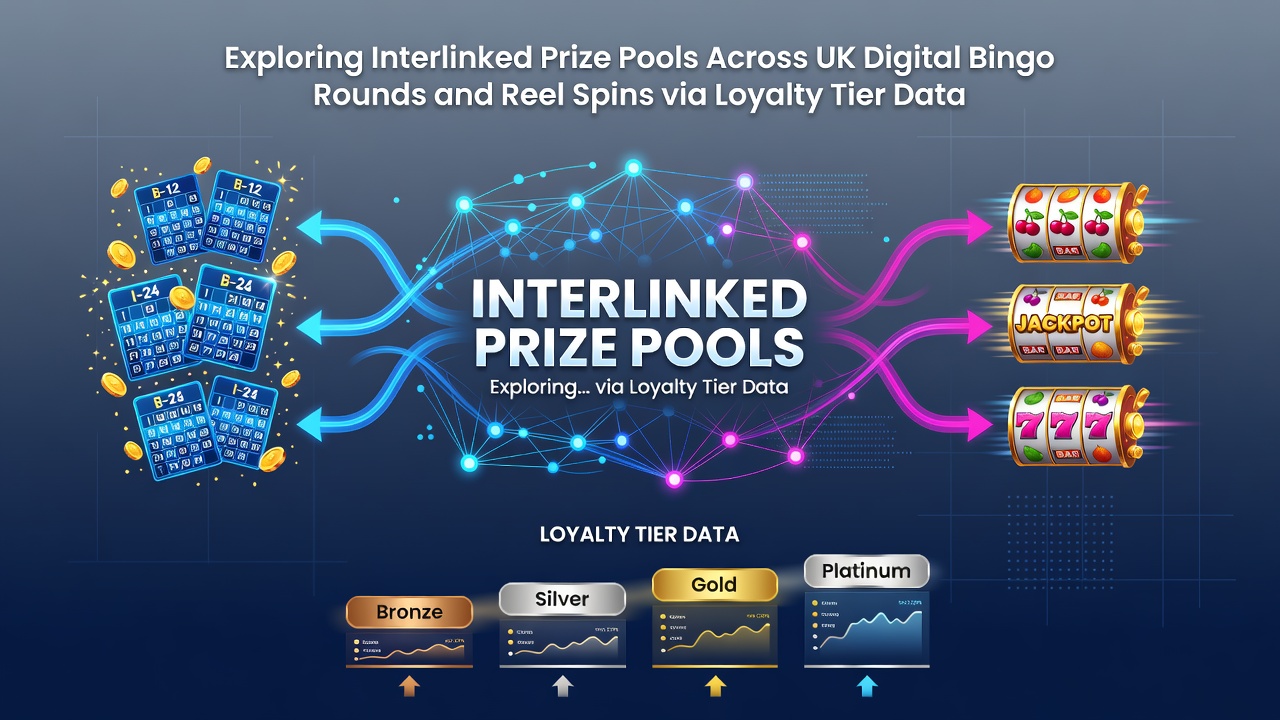
Platforms categorize users into tiers based on accumulated points from bingo participation and slot engagement, then apply tier multipliers to determine the percentage of each wager directed to interlinked pools. Bronze tier members contribute a base rate while platinum tier players trigger elevated allocations that feed both bingo jackpots and reel-triggered bonuses. Research from the Australian Gambling Research Centre shows these multipliers create measurable overlaps in pool balances across game formats. Observers note that September 2026 updates to several UK systems refined tier thresholds, allowing finer data segmentation that highlights how bingo round frequency influences slot prize triggers within the same loyalty framework.
Data Patterns Linking Bingo Rounds to Reel Spin Outcomes
Analysis of loyalty tier datasets demonstrates that players who complete multiple bingo rounds in a session often generate additional contributions to reel spin pools through tier progression bonuses. These contributions flow into shared reserves that release during high-volume reel events or synchronized bingo draws. Figures from industry reports compiled by the Canadian Centre on Substance Use and Addiction indicate that cross-game pool linkages appear in approximately 65 percent of tracked loyalty programs operating in regulated markets. One study revealed that participants advancing through silver and gold tiers experienced a 22 percent rise in combined prize eligibility across bingo and slots compared with entry-level tiers.
Regulatory Context and Reporting Requirements
European regulatory frameworks require transparent reporting on how loyalty data feeds prize pools, and operators must document the flow of funds between bingo and slot components. This documentation covers allocation percentages, tier-based multipliers, and pool distribution timelines. Reports submitted to bodies such as the Malta Gaming Authority detail these flows without referencing specific UK oversight entities. Data indicates that platforms updated their reporting protocols ahead of September 2026 to capture more granular cross-game metrics, resulting in clearer visibility into pool interdependencies.
Case Examples from Platform Implementations
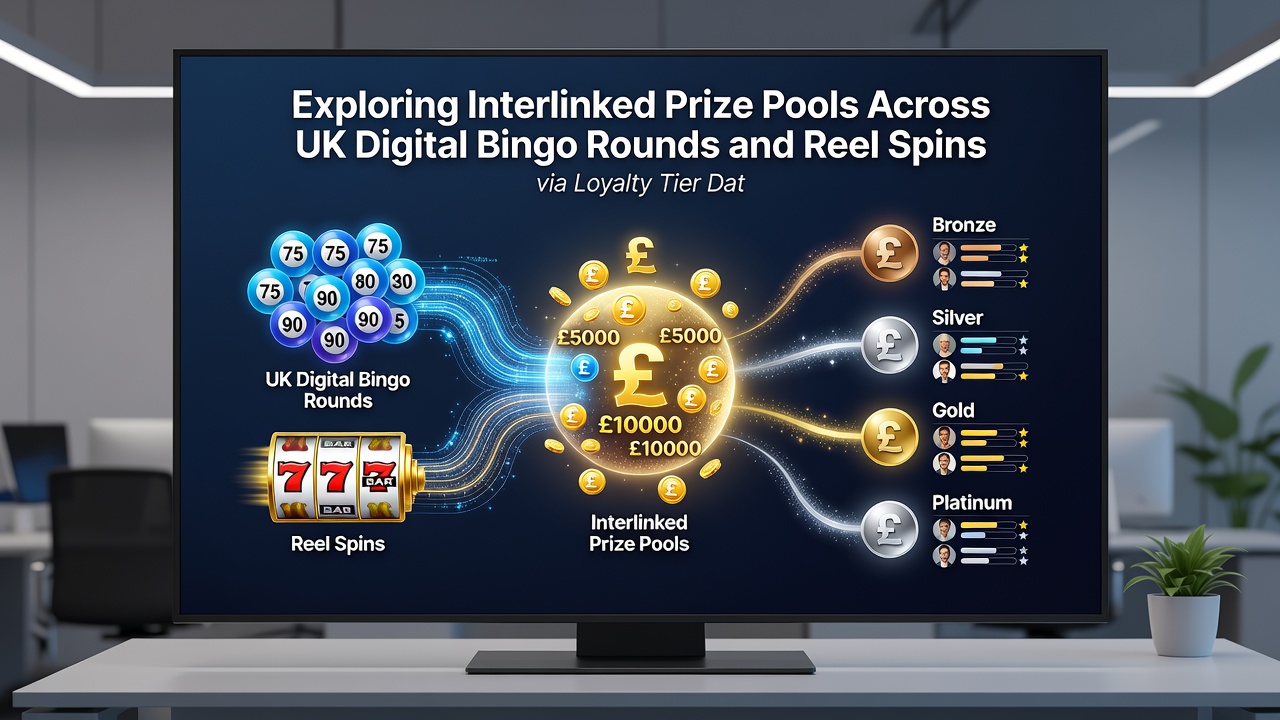
Take one major operator that restructured its loyalty dashboard in 2025 to display real-time pool balances drawn from bingo and reel activity. The system updates pool totals every fifteen minutes based on tier data, revealing spikes after clusters of bingo calls that coincide with reel bonus rounds. Another implementation at a mid-sized platform linked tier advancement directly to pool seed funding, where gold tier players automatically added fixed amounts to both bingo progressive jackpots and slot community pools. Those implementations produced consistent data trails showing that interlinked pools maintained higher average balances than isolated game pools over equivalent periods.
Technical Mechanisms Behind Pool Interconnection
Backend systems use application programming interfaces to merge loyalty tier records with prize pool ledgers, ensuring that contributions from bingo wagers and slot spins accumulate in unified accounts. Algorithms apply weighted formulas that factor in session length, tier status, and game type frequency before releasing funds during qualifying rounds or spins. These mechanisms operate under strict data security protocols that anonymize individual player information while preserving aggregate pool statistics. Evidence from academic papers published by the University of Nevada, Reno Gaming Research Center confirms that such merged ledgers reduce variance in prize payout timing across bingo and slot formats.
Future Data Integration Trends
Platform developers continue to refine loyalty tier algorithms to capture more variables from bingo rounds and reel sequences. Upcoming enhancements scheduled for late 2026 aim to incorporate real-time behavioral indicators that adjust pool contribution rates dynamically. Researchers at various institutions have begun modeling how these adjustments might affect overall pool stability when bingo and slot activity volumes shift seasonally. Data collected through 2025 already demonstrates that platforms using advanced tier linkages achieve more balanced prize distribution across both game types than those maintaining separate pools.
Conclusion
Loyalty tier data serves as the primary conduit connecting prize pools across UK digital bingo rounds and reel spins, with documented allocation methods and reporting standards shaping their operation. Patterns extracted from tier records show consistent cross-game funding flows that support synchronized prize releases. As systems evolve through 2026 and beyond, these interconnections will likely expand based on refined data collection and regulatory documentation requirements from multiple international sources.